What Does Peroxide Do to Your Hair? Risks & Results
Published September 27, 2026
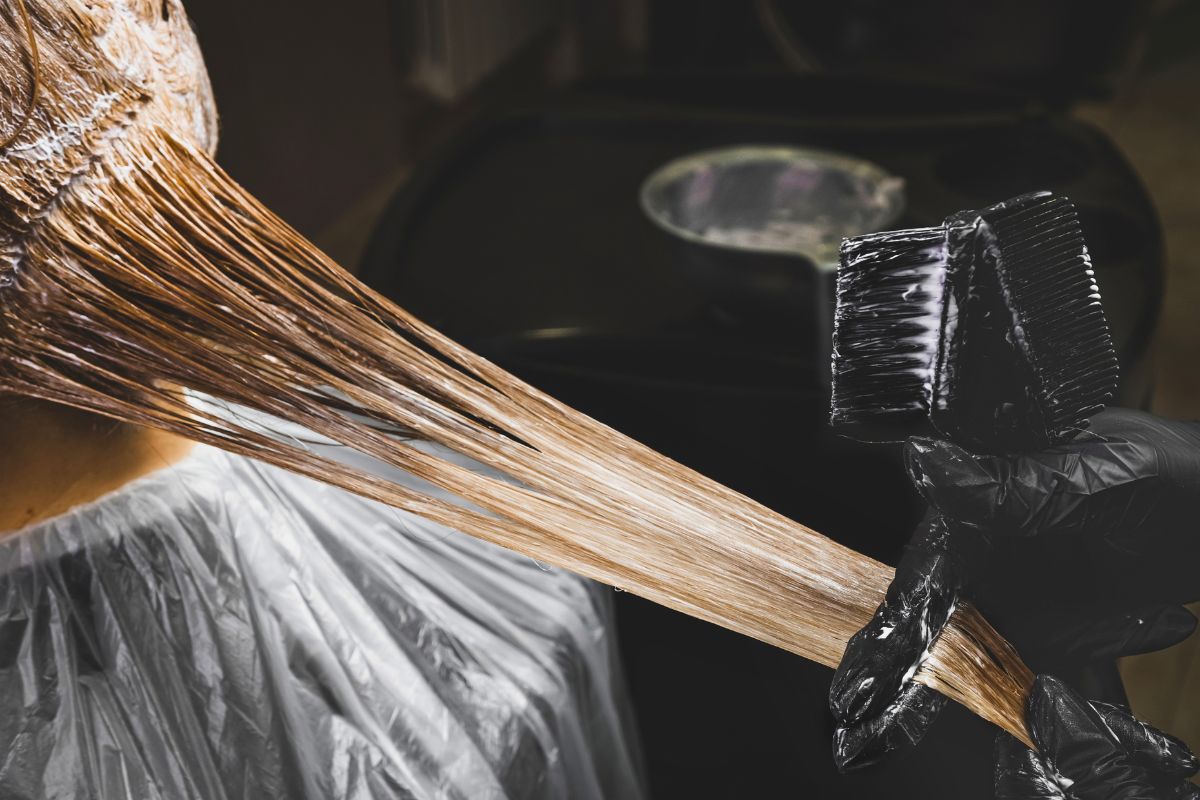
If you have ever wondered what does peroxide do to your hair, the short answer is that it oxidizes natural hair pigment, making the hair lighter. Hydrogen peroxide is used in many oxidative hair-coloring and lightening products. In lightening processes, it oxidizes melanin, the pigment responsible for natural hair color.
That lightening effect comes with a trade-off. The oxidative process can affect the hair fiber, especially when hair is bleached repeatedly or processed intensively. Research has found changes to the cuticle and cortex, along with protein oxidation and loss, following peroxide-based bleaching.
What you can expect depends on how peroxide is used, your starting hair color and condition, and the type of coloring or lightening service. This article explains how peroxide lightens hair, what affects the result, the risks involved, and how to minimize unnecessary damage.
What Does Peroxide Do to Your Hair?
Hydrogen peroxide is an oxidizing agent. In hair-coloring and lightening processes, it helps alter the natural pigment inside the hair so the color becomes lighter. This is a chemical change rather than a temporary color effect.
Once natural pigment is chemically lightened, the treated hair does not return to its original color. New growth will contain your natural pigment.
How Peroxide Breaks Down Hair Pigment
Melanin gives your hair its natural color. During an oxidative lightening process, hydrogen peroxide contributes to chemical reactions that break down melanin pigments.
Research into alkaline hydrogen peroxide has identified reactive oxygen species involved in melanin bleaching. These reactions change melanin’s structure, reducing the pigment responsible for darker hair.
As more pigment is removed, the hair appears progressively lighter. How far it lifts depends on the complete formulation, starting color and condition of the hair, and the processing conditions.
How Peroxide Affects the Hair Structure
Peroxide does not affect only the pigment. During bleaching, the chemical process can also affect the structural components of the hair fiber.
The cuticle forms the hair’s outer protective layer. Intensive bleaching can disrupt the cuticle and increase hair permeability. Research on the physical and chemical effects of bleaching has also found changes in the cortex, along with protein oxidation and protein loss as bleaching severity increases.
These changes explain why lightened hair may feel drier, rougher, or more fragile after chemical processing. The intended result is pigment removal, but the process can also alter hair structure.
Does Peroxide Lighten Hair?
Yes. Peroxide can contribute to hair lightening by oxidizing natural melanin. How much lift you achieve depends on the complete formulation, your starting color and hair condition, and the processing conditions.
How Much Can Peroxide Lighten Hair?
Starting color makes a major difference. Darker hair generally requires more pigment removal to achieve a much lighter shade.
Previously colored hair can also respond differently from virgin hair. Artificial color, previous chemical processing, and the condition of the hair can all affect how evenly it responds to further lightening.
Peroxide should not be treated as a simple formula where a particular concentration automatically produces a specific shade. A professional colorist considers the starting level, desired result, and hair condition when determining the approach.
Why Lightened Hair Can Appear Yellow or Orange
When darker hair is lightened, underlying warm pigments can become more visible. Depending on the starting color and how far the hair is lifted, the result may contain red, orange, or yellow tones.
This is why a lightening service does not always produce a neutral blonde immediately. A toner may be used after lightening to refine the tone and create the desired color.
Lightening and toning serve different purposes: lightening reduces pigment, while toning adjusts the visible color once the hair has reached the appropriate level of lightness.
What Are the Risks of Peroxide on Hair?
Peroxide is useful for hair coloring and lightening, but the risk of structural damage increases with more intensive or repeated chemical processing.
Dryness and Increased Porosity
Chemical lightening can disrupt the cuticle and increase the permeability of the hair fiber. As a result, hair may feel rougher, drier, or more difficult to manage.
Weakness and Breakage
When the hair fiber becomes structurally compromised, strands can become more fragile and prone to breakage.
Not every peroxide-based color service causes severe damage. The risk depends on formulation, processing intensity, previous chemical treatment, and hair condition. Repeated intensive bleaching adds stress to already processed hair.
Scalp Irritation
Peroxide-containing hair-coloring products can also irritate the scalp, although reactions may involve other ingredients in the color or lightening formulation as well.
Research on hair-dye irritation has found that oxidative hair dyes containing hydrogen peroxide and alkaline agents can cause scalp irritation. Hair highlighting and bleaching procedures have also been associated with severe scalp irritation and, rarely, chemical burns. Case reports document these more severe reactions.
If a product causes intense burning or significant scalp discomfort, do not simply treat it as a normal part of the coloring process.
Why Repeated Lightening Can Increase Damage
Each additional chemical service exposes hair to further processing. If lightener overlaps sections already substantially lightened, those strands undergo additional structural stress.
This is especially relevant when correcting uneven color. Repeatedly applying more lightener puts already processed hair under further strain, so that a professional color assessment may be appropriate before another service.
What Affects the Results of Peroxide on Hair?
Peroxide does not work in isolation. The final color and condition of your hair depend on the complete formulation, processing conditions, and your hair’s starting point.
Peroxide Concentration and Processing
Peroxide concentration, product formulation, and processing conditions all influence the outcome.
Higher-intensity bleaching produces greater pigment removal but can also increase structural damage. Protein loss and oxidative changes in bleached hair increase with bleaching severity.
There’s no universal processing time for every peroxide-based product. Follow the manufacturer’s instructions or, for professional services, your stylist’s recommendations.
Your Hair’s Color and Condition
Two people can use comparable lightening systems and see different results because their hair starts from different points.
Factors include:
- Natural hair color
- Previously colored hair
- Previously bleached hair
- Hair porosity
- Existing damage
- Previous chemical services
- Desired level of lightness
These factors affect both the achievable color and how well the hair tolerates additional processing.
How Can You Minimize Damage From Hair Lightening?
Careful lightening does not promise damage-free results. It limits unnecessary chemical stress and considers hair condition.
Assess Your Hair Before Lightening
Consider your recent color history before another lightening service. Hair already bleached, relaxed, permed, or heavily colored may require a different approach than untreated hair.
If your hair is breaking, severely dry, or fragile, another intensive chemical service may not be appropriate without professional assessment.
Avoid Overlapping Lightener on Processed Hair
Applying lightener repeatedly to hair that has already been lightened can increase structural stress.
This is important during color maintenance. New growth and previously lightened lengths dont need the same treatment, so applying the same lightener indiscriminately exposes lengths to unnecessary processing.
Follow Appropriate Aftercare
After lightening, focus on maintaining manageability and limiting additional stress. Useful measures include:
- Use gentle cleansing and conditioning practices.
- Condition the hair regularly.
- Limit unnecessary heat styling.
- Handle wet hair carefully.
- Follow the aftercare instructions provided with the color service or product.
Aftercare cannot reverse structural changes from bleaching, but it helps manage chemically processed hair and avoid added stress.
Frequently Asked Questions
Does hydrogen peroxide bleach hair?
Yes. Hydrogen peroxide can contribute to bleaching by oxidizing melanin, the natural pigment in hair. However, professional hair bleach is a formulated lightening system and is not simply the same as using hydrogen peroxide by itself. Hair-lightening formulations can contain hydrogen peroxide alongside persulfates and other ingredients.
Does hydrogen peroxide lighten hair?
Yes. Hydrogen peroxide contributes to hair lightening by helping oxidize melanin. How much the hair lightens depends on the complete formulation, starting color, processing, and condition of the hair.
Can you use hydrogen peroxide on hair?
Hydrogen peroxide is used in products specifically formulated for hair coloring and lightening. That does not mean applying household hydrogen peroxide directly to your hair is equivalent to using a formulated hair developer or professional lightener.
Using hydrogen peroxide on hair outside a product specifically formulated for hair can produce unpredictable results and unnecessary chemical stress. Products designed for hair are formulated for specific applications and should be used according to their instructions.
How long does hydrogen peroxide take to lighten hair?
There’s no universal timeframe. Different products have different formulations and instructions, while starting color and hair condition also influence the result.
Don’t rely on a generic processing time found online. Follow the directions for the specific product or leave professional processing to a qualified stylist.
Does hydrogen peroxide damage your hair?
Yes. Peroxide-based bleaching can affect hair structure. Research has found cuticle and cortex damage, protein oxidation, and protein loss, with more extensive effects associated with greater bleaching severity. The risk depends on the formulation, processing intensity, frequency of lightening, and condition of the hair.
Will hydrogen peroxide turn dark hair blonde?
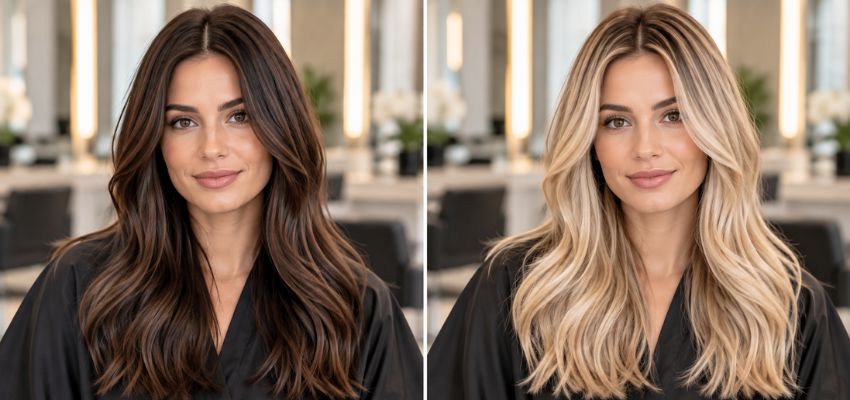
Dark hair can be lightened toward blonde, but achieving a particular blonde shade may require substantial pigment removal and careful color planning. Red, orange, or yellow underlying tones may become visible during the process, depending on the starting color and degree of lift.
Can you use peroxide on already bleached hair?
Extra caution is needed with already bleached hair. Further lightening can add chemical stress to a fiber that has already undergone structural changes.
Rather than repeatedly applying lightener over previously processed sections, have the hair assessed first. This can help determine whether additional lightening is appropriate and how to minimize unnecessary overlap.
What Does Peroxide Do to Your Hair? Key Takeaways
So, what does peroxide do to your hair? It helps oxidize natural melanin, allowing hair to become lighter. The same oxidative process can affect the hair fiber, with more intensive bleaching potentially disrupting the cuticle and cortex and contributing to protein oxidation and loss. The result depends on the complete formulation, processing, starting color, previous chemical treatments, and condition of the hair.
If you’re considering a significant color change or further lightening of already processed hair, a professional assessment can help determine an approach that takes your hair’s condition and color history into account. For more educational resources on hair color and related services, explore Salon Suites Palm Beach.
Lease Salon Space In Royal Palm Beach Florida
Fulfill your dreams and be your own boss when you lease salon space in Palm Beach Florida with us. Our beautiful salon spaces come with complimentary laundry and cleaning services and a flexible lease agreement you can afford. Our salon suites come with many amenities including free cleaning service, televisions, storage space, and more. Contact us now to book a tour or learn more.
Fact Checked By Experts
Our team of internal experts diligently fact-checked this content to ensure accuracy and reliability. Find detailed information about the rigorous editorial standards we uphold for our website.

About The Author
Meet Rei Bayucca: a versatile and seasoned writer who has ventured through diverse fields. With a passion for producing insightful and meticulously-crafted pieces, she aims to promote enlightenment and engagement among her readers.