Korean Perm: What Is It and Should You Get One?
Published August 28, 2026
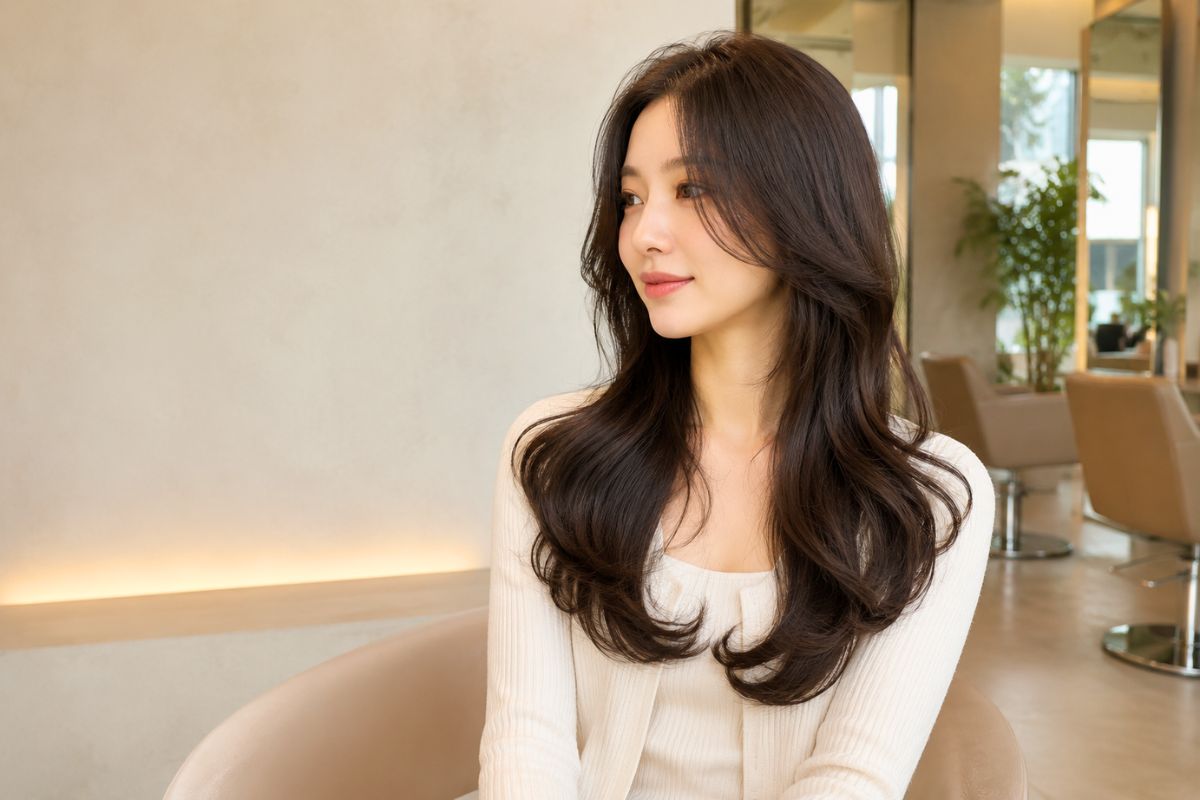
Soft waves, natural-looking movement, and added volume are among the reasons Korean perms have become a popular hairstyle choice. Unlike a traditional perm that may create a more uniform curl pattern, a Korean perm can be customized to create anything from a subtle C-curl to flowing S-waves, depending on your hair and the look you want.
But “Korean perm” does not refer to one specific technique. The term is generally used to describe a range of soft, natural-looking styles that can be created using different perming methods. Before booking, it helps to know which styles are available, how the process works, what affects the cost, and whether your hair is suitable for a chemical perm.
What is a Korean Perm?
A Korean perm is a chemical hair treatment designed to create soft curls, waves, movement, or volume inspired by modern Korean hairstyles. Compared with the tighter, more uniform curls associated with some traditional perms, Korean-style perms generally emphasize a softer, more natural-looking finish.
The result can vary considerably. A Korean perm may create a gentle bend at the ends, flowing waves through the lengths, added root volume, or a combination of curl patterns.
The term “Korean perm” describes the desired style more than a single chemical process. Depending on your hair and the result you want, a stylist may recommend a digital perm, cold perm, setting technique, root perm, or another approach.
Because a perm is still a chemical service, your hair’s condition and chemical history should be considered before treatment.
Popular Korean Perm Styles and Curl Patterns
There’s no single Korean perm look. Your stylist can adjust the curl pattern, rod size, placement, and processing method to suit your haircut and styling goals.
C-Curl Perm
A C-curl creates a single, soft curve that bends inward toward the ends of the hair. It’s a subtle option for people who want movement and shape without a full head of waves.
C-curls can work particularly well with bobs, lobs, and shoulder-length hairstyles. They can also add a polished, face-framing effect while keeping the overall style relatively understated.
S-Curl Perm
An S-curl creates a more noticeable wave through the mid-lengths and ends. Instead of one inward curve, the hair follows an S-shaped pattern, producing more movement and volume.
S-curls are often suited to medium and longer hair because additional length gives the wave pattern more room to develop.
C-S or CS Curl
A C-S curl combines different curl patterns to create more dimension. The hair may have an S-shaped wave through the lengths before transitioning into a softer C-shaped curve toward the ends.
This customized combination can be useful when you want more movement than a C-curl but a softer finish than a uniform wave.
Korean Wave or Wave Perm
A Korean wave perm creates flowing movement throughout the hair and can combine S-curl movement with softer curves toward the ends. It’s often associated with the layered, romantic waves seen in contemporary Korean hairstyles.
This style generally works best when the haircut has enough length and layering for the waves to show clearly.
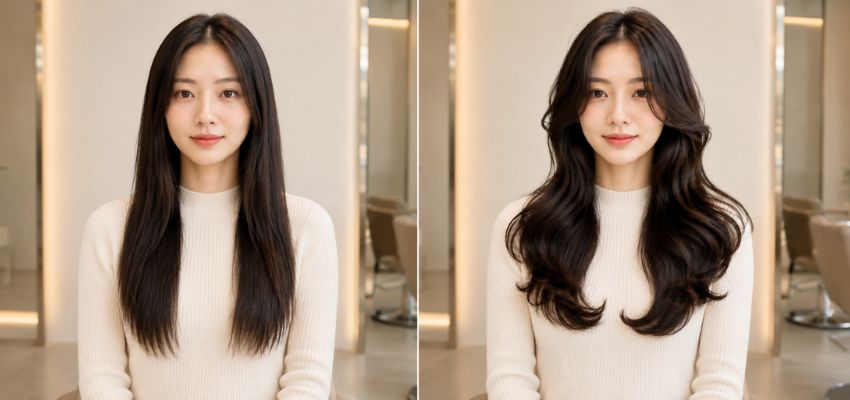
Body Wave
A body wave focuses on creating soft movements and fullness rather than clearly defined curls. It may be an option for someone who wants more volume and texture without a strongly curled appearance.
Korean Root Perm
A root perm concentrates on the hair near the scalp rather than curling the entire length. The goal is to add lift and volume at the roots while leaving the lengths relatively straight or naturally wavy.
This can be useful for hair that tends to lie flat, particularly when the goal is added volume rather than curls throughout the hairstyle.
Korean Perm for Men
Korean perms are also popular for men’s hairstyles. Depending on the haircut and desired result, a men’s Korean perm may add volume, texture, movement, or a more defined wave to short or medium-length hair.
The specific technique should be matched to the haircut, hair condition, and desired result.
Korean Perm vs. Digital Perm: What’s the Difference?
These terms are related, but they’re not interchangeable.
- A Korean perm generally describes the overall style or aesthetic: soft, natural-looking curls or waves with movement and shape.
- A digital perm is a heated perming technique that uses temperature-controlled rods during processing to create a defined curl pattern. It can be used to create C-curls, S-curls, loose waves, and other styles.
A digital perm can therefore be used to create a Korean-style result, but not every Korean perm uses the same technique. Cold perms and other methods can also produce Korean-inspired waves.Rather than choosing a service based only on its name, show your stylist a reference photo and discuss which technique can realistically produce that result on your hair.
Korean Perm vs. Japanese Perm
Korean and Japanese perms can both create natural-looking movement, but the desired aesthetic may differ. Korean-style perms often emphasize soft waves, volume, and movement, while Japanese-inspired styles may favor subtler bends and a more understated finish.
The distinction is not absolute, however. Salon terminology varies, and the final result depends on the haircut, technique, rod size, and styling.
Which Korean Perm Is Right for Your Hair?
Choosing a Korean perm involves more than picking a curl pattern. Hair length, texture, density, elasticity, chemical history, and your everyday styling routine can all affect which result is realistic.
- Short. Shorter hair can work well with a C-curl, subtle wave, root volume, or selected men’s perm styles. A full S-wave may be more difficult to achieve if there’s not enough length for the pattern to develop.
- Medium-Length. Medium-length hair offers considerable flexibility. C-curls, S-curls, layered waves, and combinations of curl patterns can all be considered depending on the haircut.
- Long. Longer hair provides more room for flowing S-curls, Korean waves, and larger, softer waves. Layers can also help the movement become more visible throughout the hairstyle.
- Fine or Flat. A root perm or soft body wave may be worth discussing if your primary goal is volume. Fine hair still needs to be assessed carefully before undergoing a chemical service.
- Thick or Coarse. Thicker hair may require adjustments to rod size, sectioning, processing, and overall technique. A stylist should assess how your hair responds before determining the most appropriate approach.
Can You Get a Korean Perm on Colored or Damaged Hair?
Whether your hair can safely tolerate a Korean perm depends largely on its current condition and chemical history.
Colored hair is not automatically unsuitable for a perm, but hair that has been heavily bleached, repeatedly processed, or significantly weakened may not tolerate additional chemical treatment well.
Tell your stylist if your hair has recently or previously been:
- Bleached or highlighted
- Permanently colored
- Chemically straightened or rebonded
- Previously permed
- Treated with other chemical services
- Frequently exposed to high heat
The stylist may recommend a test section or a different approach if your hair’s elasticity or condition raises concerns.
Heavily processed or compromised hair may be more vulnerable to breakage or dryness, so a professional assessment is important before treatment.
What Happens During a Korean Perm?
The exact process depends on the technique and the condition of your hair, but a typical appointment may include several stages.
- Consultation: You and your stylist discuss the result you want, often using reference photos. This is also the time to discuss your hair history, current condition, daily styling routine, and previous chemical services.
- Hair Assessment: Your stylist evaluates factors such as length, density, texture, elasticity, and existing damage.
- Hair Preparation: The hair is sectioned and prepared according to the planned curl pattern and technique. Your haircut may also be considered as part of the overall design.
- Perm Application: The hair is wrapped or shaped according to the desired curl pattern, and the appropriate perm solution is applied.
- Processing and Setting: Depending on the technique, the hair may undergo chemical processing and, in the case of a digital perm, controlled heat. Processing time and temperature vary according to the technique and condition of the hair.
- Neutralizing: A neutralizing solution helps set the newly formed shape.
- Washing and Styling: After processing, the hair is washed and styled to reveal the finished curl or wave pattern.
The exact sequence can vary between salons and techniques, so your stylist should explain the process before treatment begins.
How Long Does a Korean Perm Take?
A Korean perm appointment can take several hours, particularly when the hair is long, thick, heavily layered, or requires a more involved curl pattern.
The total appointment time can depend on:
- Hair length
- Hair density
- Desired curl pattern
- Perm technique
- Hair condition
- Whether a haircut is included
- Whether additional treatments are recommended
Because timing varies by hair and technique, ask the salon how much time to allow when booking.
How Much Does a Korean Perm Cost?
The cost of a Korean perm can vary significantly depending on the salon, stylist, hair length, density, technique, and services included.
Because pricing differs by location and salon, a broad price range may not be useful. Before booking, ask what the quoted price includes, particularly if you have long or thick hair:
- Consultation
- Haircut
- Perm service
- Styling
- Treatments
- Additional charges for long or thick hair
A more involved digital perm or customized wave may cost more than a simpler root or partial perm.
How Long Does a Korean Perm Last?
A Korean perm does not disappear overnight, but its appearance gradually changes as the hair grows and the curl loosens.
A general expectation is around 3 to 6 months, although actual longevity can vary based on hair type, technique, curl pattern, washing habits, heat exposure, and aftercare.
There’s no single lifespan that applies to every Korean perm, so your stylist can give you a more realistic expectation based on your hair and the technique being used.
How to Care for Korean Permed Hair
A Korean perm can simplify styling, but permed hair still benefits from a consistent care routine.
- Use Moisturizing Hair Products: Choose shampoo, conditioner, and styling products formulated for dry, curly, or chemically treated hair. Permed hair may need more moisture than untreated hair.
- Limit Excessive Heat: Frequent high-heat styling can contribute to dryness and damage. When using a blow dryer or diffuser, consider lower heat and avoid unnecessary exposure.
- Use Curl-Friendly Styling Products: A lightweight leave-in conditioner, curl cream, or similar styling product can help enhance the wave and control frizz without weighing the hair down.
- Be Gentle When Drying: Avoid aggressively rubbing permed hair with a towel. Gently squeeze out excess water and use a suitable drying method to help preserve the curl pattern.
- Avoid Tight Hairstyles: Tight ponytails, clips, and other styles that repeatedly crease or pull the hair can interfere with the shape of a fresh perm.
- Follow Your Stylist’s Instructions: Post-perm instructions can vary according to the technique and products used. Follow the specific washing and styling guidance provided by your stylist rather than relying on one universal rule.
Is a Korean Perm Damaging?
A Korean perm is still a chemical treatment, so it can place stress on the hair.
The potential for damage depends on factors such as:
- The starting condition of the hair
- Previous bleaching or chemical treatments
- The perm formulation
- Processing time
- Heat exposure
- Hair texture and elasticity
- At-home maintenance
Hair that is in good condition may tolerate a perm better than heavily bleached, fragile, or overprocessed hair, but no chemical perm is completely risk-free.
Have your hair assessed before treatment and be honest about your chemical history.
Pros and Cons of a Korean Perm
Potential Benefits
- Creates soft waves or curls
- Adds movement and dimension
- Can increase the appearance of volume
- Can reduce the amount of styling needed to create waves or curls
- Offers different options for short, medium, and long hair
- Can be customized around a haircut and personal styling goals
Potential Drawbacks
- It is still a chemical treatment
- Results vary between hair types
- Damaged or heavily processed hair may not be suitable
- The style requires ongoing maintenance
- The result gradually changes as the hair grows
- Correcting an unwanted perm can require additional chemical treatment
Frequently Asked Questions
Can I get a Korean perm if I have short hair?
Yes. Short hair can work well with C-curls, subtle waves, root perms, and certain men’s Korean perm styles. The curl pattern simply needs to be matched to the available length.
Can men get Korean perms?
Yes. Korean perms can add texture, volume, movement, or soft curls to men’s short- and medium-length hairstyles.
Can I get a Korean perm on colored hair?
Possibly. Colored hair is not automatically unsuitable, but your stylist should evaluate its condition and chemical history before proceeding.
Can I get a Korean perm on bleached hair?
Heavily bleached or severely damaged hair may not be a good candidate for a perm. A professional assessment is important before applying additional chemicals.
Can I get a Korean perm after straightening or rebonding?
This depends on the condition and chemical history of your hair. Straightened or rebonded hair may already have undergone significant chemical processing, so another chemical service may not be appropriate.
How should I prepare for a Korean perm?
Preparation can vary depending on the salon and perm technique. Before your appointment, follow your stylist’s instructions and let them know about any recent coloring, bleaching, straightening, rebonding, or other chemical services. Bringing a reference photo can also help you and your stylist discuss the result you want.
How often can I get a Korean perm?
There is no universal schedule. The appropriate timing depends on how much the hair has grown, how the existing curl has changed, and the condition of the hair. A stylist should evaluate the hair before repeating the service.
Is a Korean perm the same as a digital perm?
No. Korean perm generally describes the desired style, while digital perm refers to a heated technique that can be used to create certain Korean-style curls and waves.
How do I maintain a Korean perm?
Use moisturizing products, minimize excessive heat, handle the hair gently, and use styling products appropriate for waves or curls. Your stylist can recommend a routine based on the specific perm technique and your hair.
Can I straighten my hair after getting a Korean perm?
Additional heat or chemical straightening can alter the curl and may place more stress on the hair. If you want to change the shape after a perm, consult a professional before using another chemical treatment.
Is a Korean Perm Right for You?
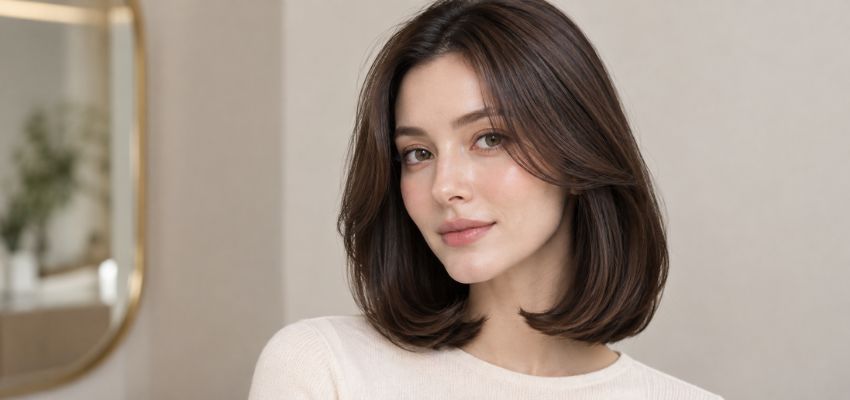
A Korean perm can be a great way to add soft waves, movement, volume, and texture to your hair. The right result, however, depends on your hair’s length, condition, chemical history, and the style you want to achieve. Speaking with an experienced stylist before treatment can help you determine which perm technique and curl pattern are best suited to your hair.
Ready to try a Korean perm? Salon Suites of Palm Beach is home to independent beauty professionals in Royal Palm Beach, including hair stylists offering personalized services. Explore our stylists and services to find a professional you can speak with about your desired look and whether a Korean perm is right for your hair.
Lease Salon Space In Royal Palm Beach Florida
Fulfill your dreams and be your own boss when you lease salon space in Palm Beach Florida with us. Our beautiful salon spaces come with complimentary laundry and cleaning services and a flexible lease agreement you can afford. Our salon suites come with many amenities including free cleaning service, televisions, storage space, and more. Contact us now to book a tour or learn more.
Fact Checked By Experts
Our team of internal experts diligently fact-checked this content to ensure accuracy and reliability. Find detailed information about the rigorous editorial standards we uphold for our website.

About The Author
Meet Rei Bayucca: a versatile and seasoned writer who has ventured through diverse fields. With a passion for producing insightful and meticulously-crafted pieces, she aims to promote enlightenment and engagement among her readers.