Levels of Hair Color: Chart, Tips, and Shade Guide
Published October 26, 2026
Choosing a new hair color starts with understanding your current shade and how much you want to change it. The hair color level system ranks shades from black to light blonde and shows how light or dark a color is. You can use it to find your starting point and discuss realistic options for your next color service.
Whether you’re considering a richer brunette or a lighter blonde, understanding hair levels and tones can help you communicate your preferences to a stylist. Here’s how the numbering system works, how to read a hair color chart, and what to consider before changing your color.
What Are the Levels of Hair Color?
Hair color levels describe how light or dark a shade is. Professional colorists use them to assess existing color and plan coloring services. Many professional color lines use a scale from Level 1 to Level 10, although exact numbering and shade names can vary by manufacturer.
How the Hair Color Level System Works
In many professional hair color systems, Level 1 is black, and Level 10 is the lightest variant of blonde. Higher numbers generally indicate lighter shades, though the scale and descriptions vary by manufacturer. Level 3 is commonly dark brown, while Level 7 is often medium blonde.
Shade names and numbering differ between brands. Check the chart for the specific product you’re considering. Two products with similar level numbers may look different because their tones and formulations vary.
Hair Color Levels vs. Hair Tones
Levels describe lightness or darkness, while tones describe the shade’s underlying or intended color character.
- Warm tones: Golden, copper, and reddish hues.
- Cool tones: Ashy or other shades designed to reduce the appearance of warmth.
- Neutral tones: Shades intended to balance warm and cool characteristics.
For example, Level 6 hair can look golden or ashy depending on its tone. The level indicates depth, while the tone influences the overall color appearance.
Hair Color Levels Chart: From Black to Light Blonde
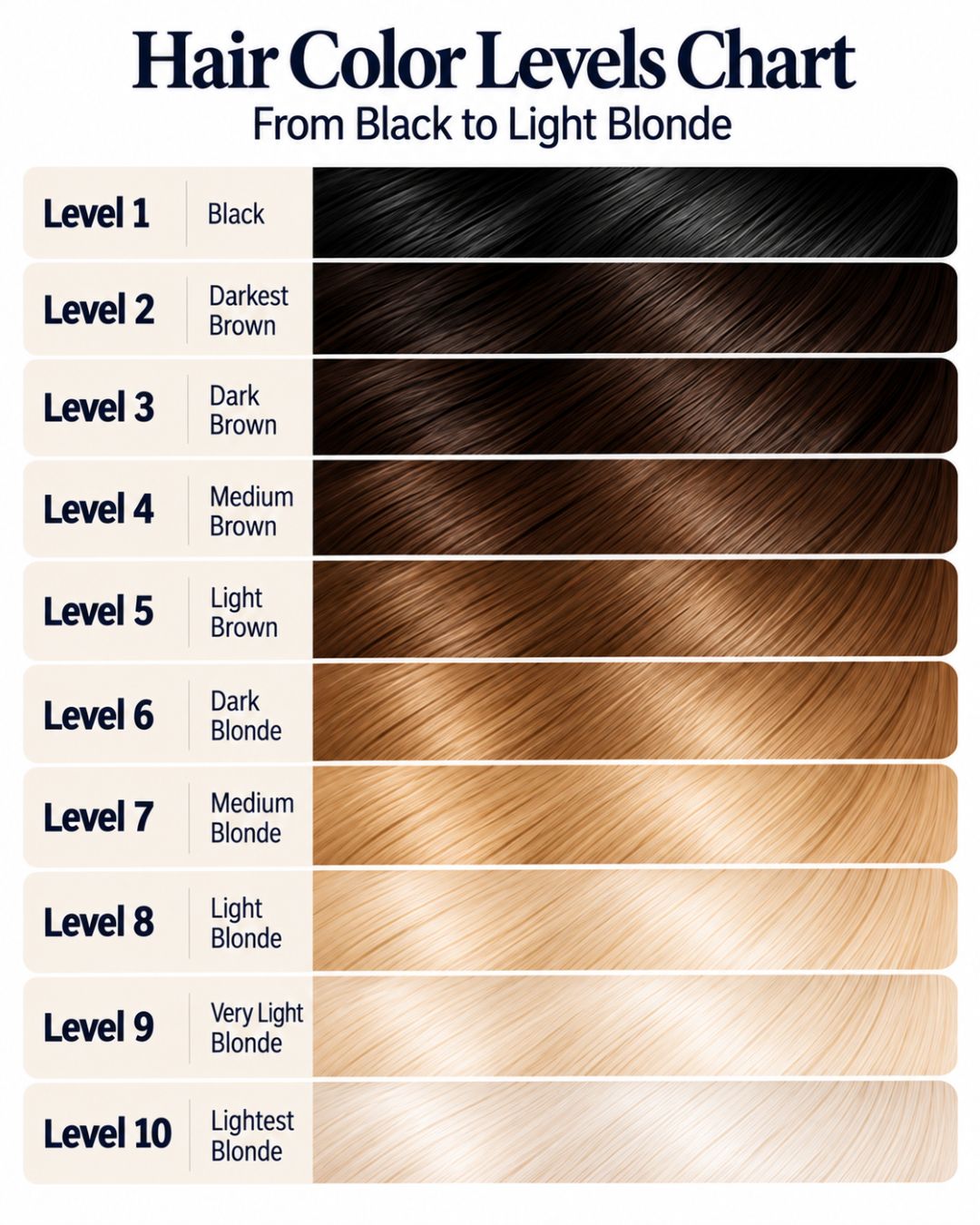
This chart illustrates the progression from black to the lightest blonde across Levels 1–10. Use it as a general reference, since shade names, tones, and exact color appearances may vary by manufacturer.
Levels 1–3: Black to Dark Brown
- Level 1: Black.
- Level 2: Darkest brown, often appearing almost black.
- Level 3: Dark brown.
These levels represent the darker end of the scale. Going from dark hair to blonde usually requires more lightening than moving between nearby brown shades. This is especially true if the hair has been colored before, which may need a different approach than natural hair.
Levels 4–5: Medium to Light Brown
- Level 4: Medium brown.
- Level 5: Light brown.
Tone makes a noticeable difference at these levels. Ash brown and golden brown have similar depth but create different effects.
Levels 6–7: Dark Blonde to Medium Blonde
- Level 6: Commonly dark blonde.
- Level 7: Commonly medium blonde.
The boundary between light brown and dark blonde can be subtle, and naming conventions differ among brands. These levels serve as useful reference points when planning a lighter brunette, blonde, or highlighted look.
Levels 8–10: Light Blonde to Lightest Blonde
- Level 8: Light blonde.
- Level 9: Very light blonde.
- Level 10: Lightest blonde.
Getting to these levels from dark hair often requires significant lightening and may take more than one appointment. The process depends on your starting level, natural pigment, past treatments, hair condition, and desired result.
Use a chart to compare shades, but remember that a swatch cannot guarantee your finished color.
How to Determine Your Current Hair Color Level
Your starting level helps a stylist assess how much change is needed to achieve your target shade. You can estimate it at home, but previously colored or uneven hair is harder to assess accurately.
Identify Your Natural Hair Color Level
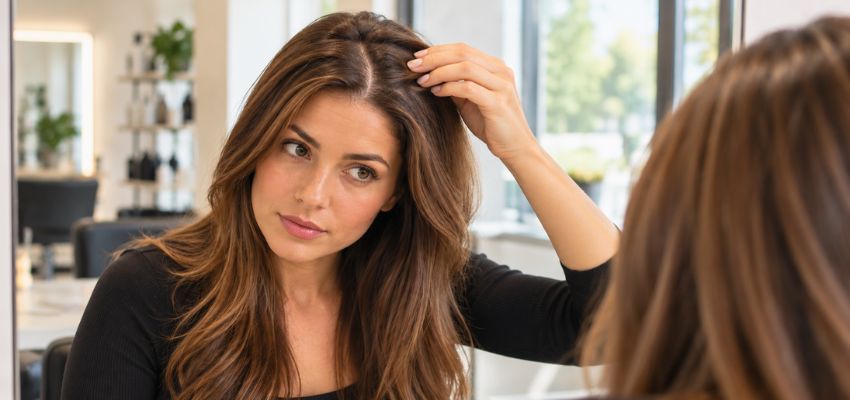
Look at your natural roots in indirect daylight and compare their lightness or darkness with a chart from your chosen color brand. Focus on depth first, then whether the shade appears warm, cool, or neutral.
If your hair falls between two levels, avoid forcing it into an exact category. A stylist can assess the shade more accurately before recommending a formula.
Determine Your Level if Your Hair Is Dyed
Previously colored hair may have different levels at the roots, midlengths, and ends. Artificial pigment affects how the hair responds to further coloring or lightening.
Before a color service, tell your stylist about previous permanent or semipermanent dye, highlights, bleach, and color-removal treatments. This helps them assess your hair and choose an appropriate plan.
How to Choose the Right Hair Color Level
Choose a target level based on your preferred result, current color, and hair condition. The number alone can’t predict your final shade, but comparing your starting and target levels shows how big the change will be.
Choose a Target Level Based on Your Desired Shade
Consider the difference between your current level and your goal.
For example, moving from Level 5 light brown to Level 6 dark blonde is a one-level change in depth on this chart. Moving from Level 3 dark brown to Level 9 very light blonde is a much bigger change and may take several lightening sessions. The exact number depends on your hair’s condition, color history, and starting pigment.
Don’t assume a lighter box dye will automatically lighten previously colored hair to the level shown on its packaging. The result depends on the product, your starting color, and color history.
Consider Undertones When Selecting a Hair Color
Once you’ve chosen a target level, consider the tone you want. Golden and copper shades create warmer results. Ash-based or other complementary tones can neutralize unwanted yellow or orange tones. The best choice depends on your underlying pigment and desired result. The appropriate toner or formula depends on the underlying pigment and tone you want to achieve.
Your underlying pigment and amount of lightening affect the final result. Skin undertones and personal preference can guide your choice. But no single hair level or tone suits everyone with a particular complexion.
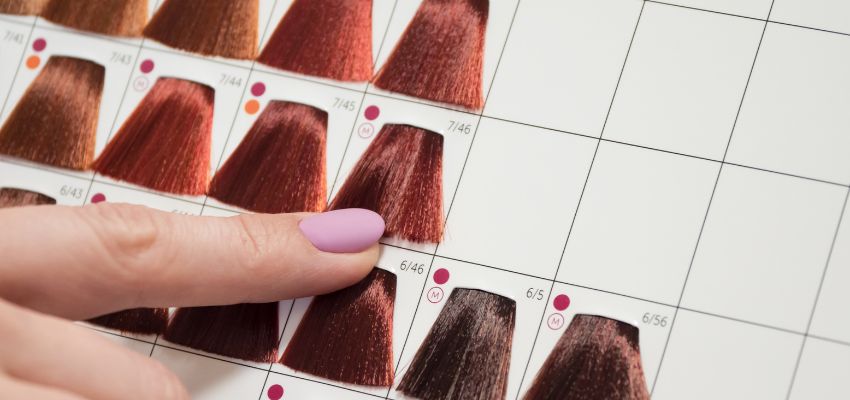
If you’re choosing between similar shades, ask a stylist to compare color swatches with your existing hair.
How Hair Color Levels Affect Bleaching and Lightening
Moving to a lighter level may require a lightening service rather than applying a lighter dye. The best approach depends on your natural pigment, previous treatments, and hair condition.
How Underlying Pigments Affect Lightened Hair
As hair lightens, underlying pigments become more visible. Depending on the starting shade and the degree of lightening, hair may reveal red, orange, or yellow tones.
To achieve a particular blonde, hair must be lightened sufficiently for the intended result. A toner can refine the tone of lightened hair but cannot replace the additional lightening needed for a substantially lighter level.
Why Previously Colored Hair Can Be Harder to Lighten
Artificial color behaves differently from natural pigment. Applying a lighter permanent dye over previously colored lengths usually won’t lighten the existing artificial pigment to your desired shade.
A colorist may recommend color removal or a separate lightening process depending on your hair history. Chemical treatments can cause dryness, breakage, and uneven results. The risk is higher when hair has already been processed.
Before a major color change, discuss previous treatments and desired results with a stylist. They can assess whether your target is realistic and if achieving it in stages is more appropriate.
Frequently Asked Questions
What is the highest level of hair color?
Level 10 commonly represents the lightest blonde in a standard 1–10 hair color system. Numbering conventions can vary among manufacturers, so check the chart for your chosen color line.
What hair color level is considered brunette?
Brown shades commonly fall around Levels 2–5 in many color systems, from very dark brown to light brown. Exact classifications vary by brand.
What level is dark blonde hair?
Dark blonde is commonly classified as Level 6, although some brands may label similar shades differently.
How do I know what level my hair is?
Compare your natural roots with a hair color chart in indirect daylight. If your hair is dyed, consider the roots, midlengths, and ends separately. A stylist can assess uneven or previously processed hair more reliably.
Can hair color levels vary between brands?
Yes. Numbering conventions, shade names, and tone indicators vary among manufacturers. Always consult the chart for the specific color line you’re using.
Can hair dye lighten previously dyed hair?
A lighter permanent dye generally cannot reliably lighten previously colored lengths. Depending on your hair history and target shade, a stylist may recommend color removal or a lightening service.
How to Find Your Ideal Hair Color Level
Understanding the levels of hair color helps you compare shades, identify your starting point, and set a realistic target. Consider both level and tone, since lightness alone doesn’t determine the finished color.
If you’re planning a significant transformation or aren’t sure which shade will work with your existing color, consult a professional stylist. Visit Salon Suites of Palm Beach to explore hair services and find an independent beauty professional for your next look.
Lease Salon Space In Royal Palm Beach Florida
Fulfill your dreams and be your own boss when you lease salon space in Palm Beach Florida with us. Our beautiful salon spaces come with complimentary laundry and cleaning services and a flexible lease agreement you can afford. Our salon suites come with many amenities including free cleaning service, televisions, storage space, and more. Contact us now to book a tour or learn more.
Fact Checked By Experts
Our team of internal experts diligently fact-checked this content to ensure accuracy and reliability. Find detailed information about the rigorous editorial standards we uphold for our website.

About The Author
Hi, I’m Corinne Grace, a nursing graduate from Riverside College and a passionate fan of the beauty industry. Through my professional background and experience, I write to help independent stylists and beauty entrepreneurs run healthier and more profitable businesses.